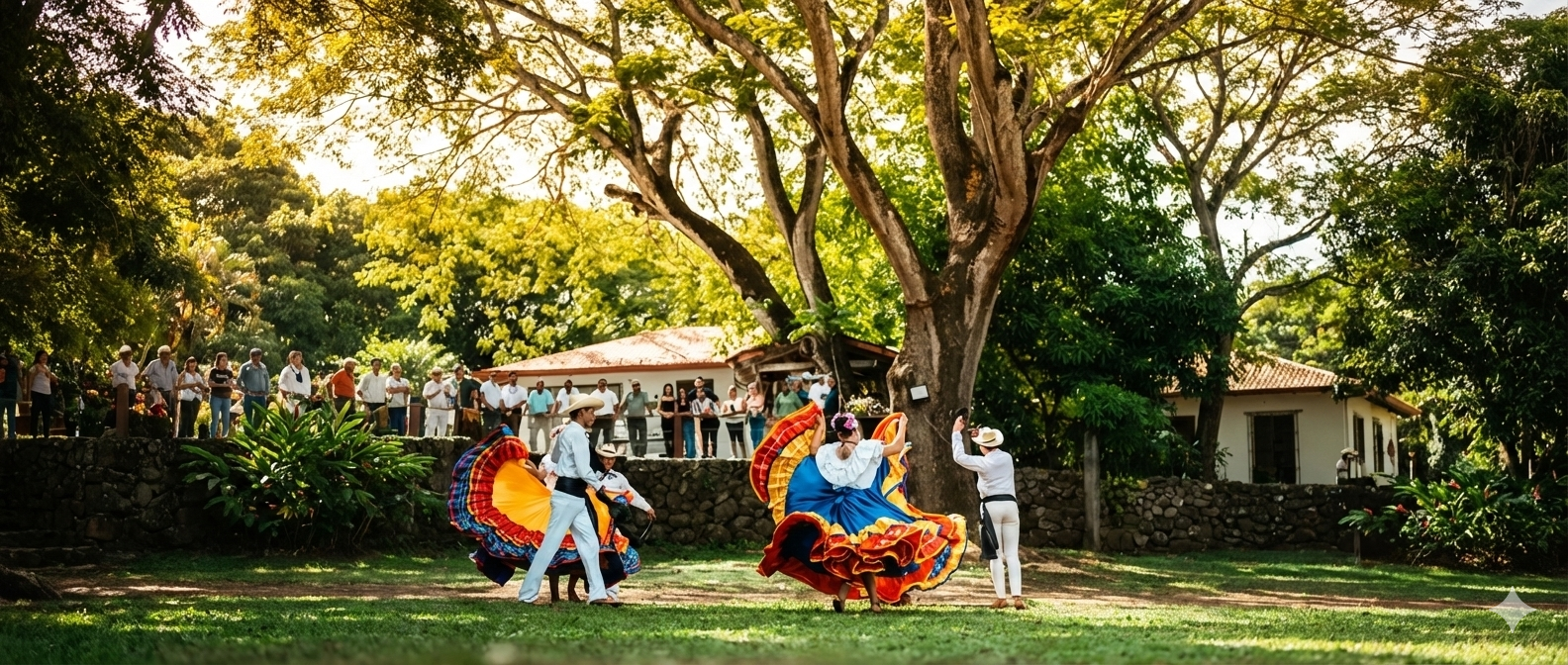
Costa Rican Culture and Tourism: An Experience That Goes Beyond the Beaches
When most people think of Costa Rica, they picture tropical beaches, jungles bursting with life, and golden sunsets over the Pacific. Those images are true — but anyone who visits the country quickly discovers that its greatest wealth is not only its nature. It is also its people, traditions, and gentle way of living that define what makes Costa Rica truly unique.
Costa Rica has become one of the most recognized tourist destinations in the world thanks to its biodiversity, yet a huge part of what makes travelers fall in love is the human side of the experience. From small coastal villages to cities nestled in the mountains, visitors find a warm atmosphere where hospitality is woven into daily life.
The Meaning of "Pura Vida"
Talking about Costa Rican culture means talking about the famous expression "Pura Vida". More than a popular phrase, it represents a way of seeing life with optimism, simplicity, and gratitude. Costa Ricans — known locally as ticos — use it to say hello, goodbye, or simply to express that everything is fine.
For many travelers, this philosophy becomes one of the most memorable parts of their trip. In a world that moves fast and feels stressful, Costa Rica offers a slower rhythm where people genuinely value family time, nature, and the small everyday moments. That connection between tranquility and happiness is one of the main reasons so many visitors come back after their first trip.
A Small Country with Enormous Cultural Diversity
Although Costa Rica is a relatively small country, it holds remarkable cultural diversity shaped by indigenous communities, rural farming traditions, Afro-Caribbean heritage, and European influences.
On the Caribbean coast, music, food, and language reflect a strong Afro-descendant identity. In many rural areas, traditions tied to agriculture, ranching, and local celebrations remain very much alive. Each region has its own character: some stand out for their festivals, others for their traditional dishes, and others for their craftsmanship.
This means tourism here is never limited to seeing places — it is also about discovering stories, customs, and different ways of life.
Costa Rican Gastronomy
Local food is another essential part of the cultural experience. Travelers quickly discover simple but deeply traditional flavors. Among the most iconic dishes are:
- Gallo pinto: rice and beans cooked together, typically served with eggs, cheese, or natilla (sour cream).
- Casados: a hearty plate with rice, beans, plantain, salad, and a choice of meat or fish.
- Tamales, empanadas, and ceviches, perfect for any time of day.
Along the coast, fresh seafood is abundant, and on the Caribbean side, coconut-based recipes add a tropical twist to every meal. In rural regions, it is still common to find food cooked over a wood-fire stove (fogón) using ingredients harvested nearby. For many visitors, tasting the local cuisine is one of the most authentic ways to connect with the country.
Sustainable Tourism as Part of the National Identity
One of the things that sets Costa Rica apart internationally is its commitment to environmental protection. The country has built a strong global image around sustainable tourism and conservation.
Despite covering just a tiny fraction of the planet's surface, Costa Rica is home to nearly 6% of the world's biodiversity. Its more than 29 national parks, along with reserves and protected areas, attract millions of visitors interested in ecotourism every year.
But sustainable tourism is not only about protecting forests and beaches. It also means supporting local communities, small businesses, and responsible travel experiences. More and more travelers prefer eco-lodges, locally guided tours, and activities that respect the environment — which has fueled a wave of community-based tourism projects across the country.
Beaches and Coastal Life
Costa Rican beaches are famous all over the world. From long stretches perfect for surfing to small hidden bays, the country offers options for every kind of traveler.
In many coastal communities, tourism has transformed the local economy: family-run hotels, restaurants, tour operators, and small shops largely depend on both national and international visitors. Yet many areas still keep an authentic, relaxed atmosphere where you can enjoy nature without large urban developments.
Life by the sea moves at a slower pace. Sunsets, traditional fishing, and family gatherings are part of the daily routine in countless coastal towns.
The Value of Hospitality
One of the things visitors mention most about Costa Rica is the kindness of its people. Travelers consistently highlight how willing locals are to help, chat, or recommend a special spot. This warmth creates more personal, more memorable experiences.
Often, the best memories of a trip do not come from a single landscape, but from a conversation, a shared meal, or an unexpected tip from someone who lives there. That human factor has a huge impact on tourism: a visitor who feels truly welcomed is far more likely to return — and to recommend the destination to others.
Challenges for Tourism in Costa Rica
Although tourism generates jobs and economic growth, it also brings real challenges. In some regions, rapid tourism growth has driven up the cost of living and placed pressure on natural resources like water and beaches. There is also legitimate concern about projects that could affect sensitive ecosystems or transform certain communities too quickly.
That is why there is a growing push toward balanced tourism, where economic development goes hand in hand with environmental protection and cultural respect. Many Costa Ricans consider it essential to preserve the essence of the country and make sure development doesn't erase what makes Costa Rica special in the first place.
An Experience That Transforms the Traveler
For many people, visiting Costa Rica ends up being much more than a vacation. The contact with nature, the relaxed lifestyle, and the genuine human connection create an experience different from other tourist destinations.
Some travelers discover a new way to value time and tranquility. Others are inspired by how communities live in harmony with their environment. There are even those who decide to come back for long stays — or move to the country entirely after falling in love with the Pura Vida lifestyle.
Costa Rica proves that tourism becomes deeper when there is a real connection between culture, nature, and community.
Conclusion
Costa Rican culture is one of the main reasons tourism in this country keeps growing and leaving a mark on millions of visitors. Beyond its tropical landscapes, Costa Rica offers authentic human experiences, living traditions, and a philosophy that invites you to enjoy the simple things.
In a world where many destinations are becoming faster and more commercial, Costa Rica still holds a special charm rooted in nature, hospitality, and the spirit of Pura Vida. And perhaps that is exactly why so many travelers arrive looking for beaches and adventure — but end up falling in love with the culture and the people who make this country unique.
At Rain Forest Experiences CR, we love sharing this side of Costa Rica with our guests. From night walks and wildlife tours to volcano hikes and hanging bridges in La Fortuna and Arenal, our certified naturalist guides combine nature with the warmth and stories that make every visit unforgettable.
Ready to Experience It Yourself?
Join our expert naturalist guides and discover the incredible wildlife of Arenal up close. Small groups, professional equipment, and unforgettable memories.
See Our Tours BelowRelated Tours
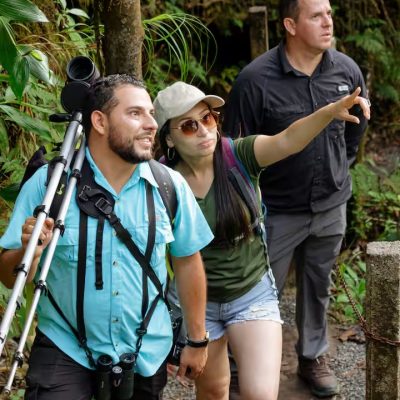
Sloth & Wildlife Tour
Through a guided safari in the rainforest, you can enjoy these beautiful and interesting mammals in their natural habitat, as well as observe other animals such as monkeys, toucans, frogs, and more.
View Details & Book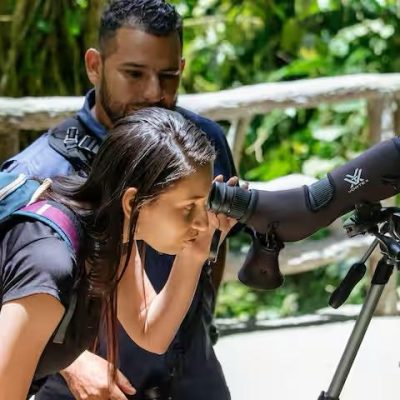
Arenal Hanging Bridges
With more than 250 hectares of forest, the hanging bridges reserve is the perfect place to learn from a naturalist guide about the natural history of this ecosystem. Walk at canopy level across 6 hanging bridges and observe animals such as monkeys, birds, snakes, and much more.
View Details & Book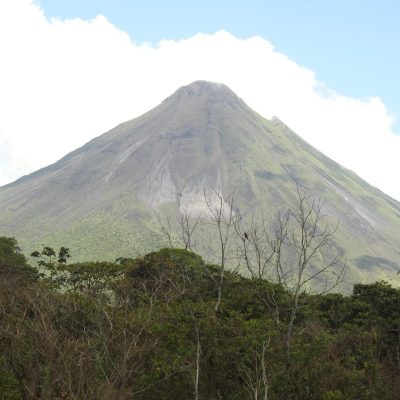
Arenal Volcano Hike
Arenal Volcano is the youngest volcano in Costa Rica. Through a 2-hour hike on the 1968 lava flow, you'll learn about the eruptive history of this important Costa Rican massif, while enjoying magnificent views of the perfectly conical volcano, Lake Arenal, and surrounding areas.
View Details & Book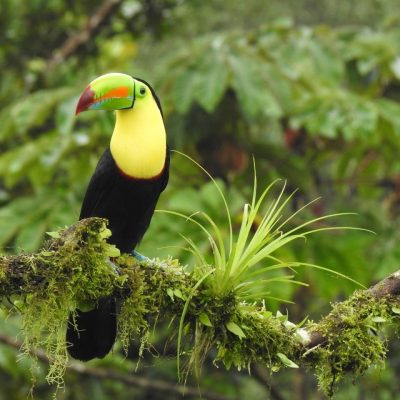
Birdwatching Tour
Costa Rica is known for its great biodiversity, and with more than 900 bird species, it's paradise for bird lovers. On a walk through the foothills of Arenal Volcano in a private reserve, you can observe a great number of birds including toucans, tanagers, warblers, trogons, motmots, and many more colorful species.
View Details & Book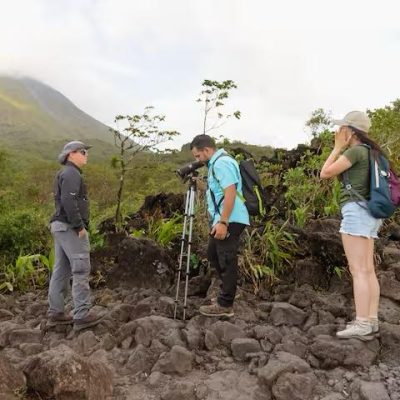
The Best of Arenal — Full Day Combo
In this guided excursion you can discover the 3 main attractions of the Fortuna area: the 1968 Lava Flow hike, La Fortuna Waterfall, and the Hanging Bridges — all in one unforgettable day with a traditional Costa Rican lunch included.
View Details & Book