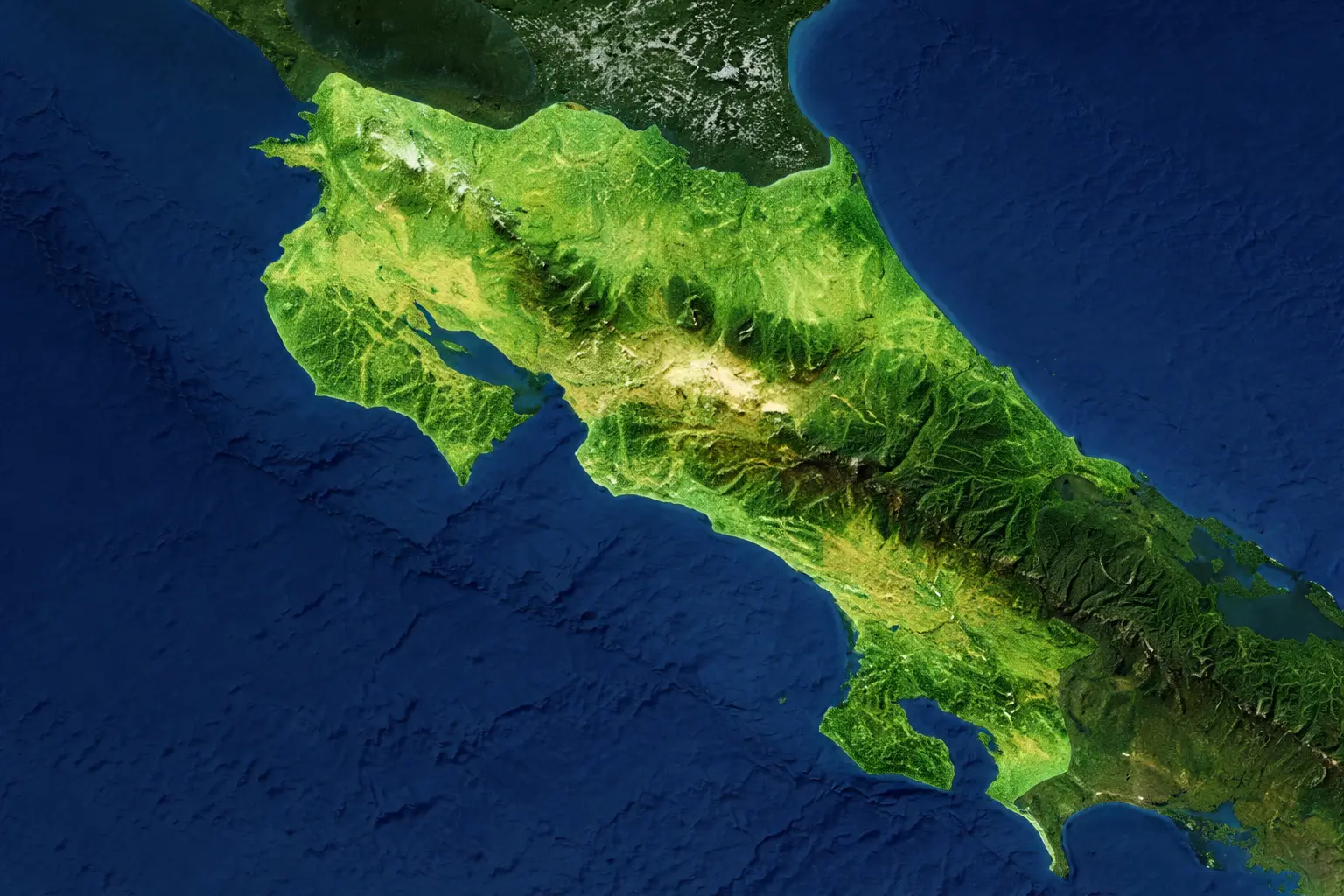
The best time to visit Costa Rica and observe its incredible wildlife depends largely on which animals you want to see, but also on the climate and access conditions across the country's different regions. This small tropical paradise is famous for its biodiversity: it is home to about 5% of the planet's species, despite being a relatively small territory. However, not all months offer the same experience, which makes Costa Rica an incredible destination for nature lovers year-round.
Costa Rica's Two Main Seasons
In general terms, Costa Rica has two main seasons: the dry season (December to April) and the rainy or "green" season (May to November). Each one offers specific advantages for wildlife spotting.
Dry Season: December to April
During the dry season, especially between January and March, the weather is sunnier and rainfall is scarce, making it much easier to travel and hike through national parks — though it can still rain, as the rainforest is incredible for a reason. This is an excellent time for first-time visitors, since trails are in better condition and visibility is greater.
During these months, it is common to observe mammals such as monkeys (howler, capuchin, and spider), sloths, and coatis. Additionally, many birds are easier to spot because there is less dense foliage blocking the view.
Green Season: May to November
The rainy season should not be dismissed. In fact, for nature enthusiasts, it can be even more rewarding. Between May and August, the forests are greener and more active. This is an ideal time to observe amphibians such as brightly colored frogs, reptiles, and a wide variety of insects. It is also when many species reproduce, which increases overall animal activity — this is the season when you'll find more baby sloths and monkeys.
Sea Turtles: July to October
One of the most impressive natural spectacles occurs between July and October: the arrival of sea turtles to nest. On the Caribbean coast especially, thousands of green turtles arrive on the beaches at night. This phenomenon is unique and attracts scientists and travelers from around the world. On the Pacific coast, olive ridley and leatherback turtles can also be seen at different times of the year.
Whale Watching: August to October and December to March
If your main interest is whales, the best time is between August and October, and also between December and March, when humpback whales migrate to the country's warm waters to reproduce. They can be observed especially in the South Pacific region, where dolphins can also be seen year-round.
Birdwatching: A Privileged Destination Year-Round
For birdwatchers, Costa Rica is a privileged destination in any season. However, between December and April, many migratory species arrive from North America, significantly increasing diversity. In contrast, during the green season there is more reproductive activity, allowing visitors to observe interesting behaviors such as nest building and courtship displays.
Regional Climate Considerations
Another important factor to consider is the specific region of the country:
The Caribbean Coast has a more unpredictable climate and can receive rain at any time, but it also has relatively dry months between September and October — when the rest of the country is in full rainy season. This makes the Caribbean an excellent alternative when looking to avoid intense rains elsewhere.
The Arenal Region has a special window: if you visit in September and October, these are the best months to see the volcano without cloud cover.
Cloud Forests such as Monteverde have their own microclimate. There, fog and humidity are constant, but this favors the presence of unique species like the resplendent quetzal. The best time to try to spot it is between February and April, during its nesting season.
The Key: Patience and Good Guides
It is important to note that, although climate plays a role, wildlife in Costa Rica is present throughout the entire year. The key lies in patience, having good naturalist guides, and visiting well-preserved protected areas. National parks, biological reserves, and wildlife refuges offer constant opportunities for wildlife spotting.
Summary: Which Season Is Right for You?
If you are looking for comfort and ease of travel, the dry season is the best choice. But if you want a more intense experience with greater animal activity and fewer tourists, the green season can be surprisingly rewarding. For specific events such as turtle nesting or whale migration, it is best to plan your trip around very specific dates.
Costa Rica does not have a "bad" time to visit — it simply offers different experiences depending on the time of year. Choosing when to go will depend on your personal interests, your tolerance for rain, and the type of adventure you are seeking. What is certain is that, in any month, you will have the opportunity to connect with one of the richest and most vibrant natural environments on the planet. And remember: the rainforest carries its name because of the amount of rain it receives — you could experience rain at any time of the year.
Ready to Experience It Yourself?
Join our expert naturalist guides and discover the incredible wildlife of Arenal up close. Small groups, professional equipment, and unforgettable memories.
See Our Tours BelowRelated Tours
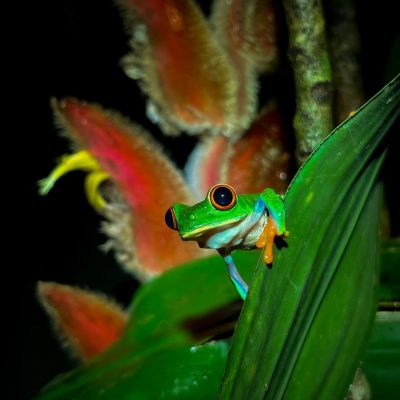
Night Rainforest Walk
Discover the magnificent nocturnal world of the rainforest. Through a gentle 1.5-hour walk, observe wildlife such as frogs, including the famous red-eyed tree frog, nocturnal and diurnal birds, insects that camouflage with the environment in impressive ways, and much more — an experience to live.
View Details & Book
Sloth & Wildlife Tour
Through a guided safari in the rainforest, you can enjoy these beautiful and interesting mammals in their natural habitat, as well as observe other animals such as monkeys, toucans, frogs, and more.
View Details & Book
Arenal Hanging Bridges
With more than 250 hectares of forest, the hanging bridges reserve is the perfect place to learn from a naturalist guide about the natural history of this ecosystem. Walk at canopy level across 6 hanging bridges and observe animals such as monkeys, birds, snakes, and much more.
View Details & Book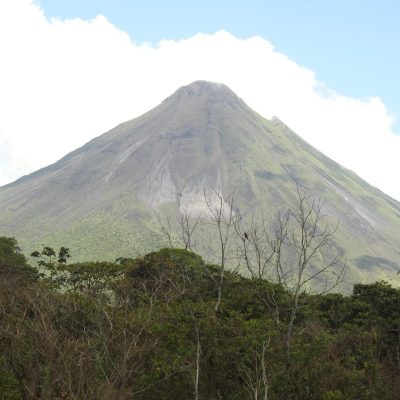
Arenal Volcano Hike
Arenal Volcano is the youngest volcano in Costa Rica. Through a 2-hour hike on the 1968 lava flow, you'll learn about the eruptive history of this important Costa Rican massif, while enjoying magnificent views of the perfectly conical volcano, Lake Arenal, and surrounding areas.
View Details & Book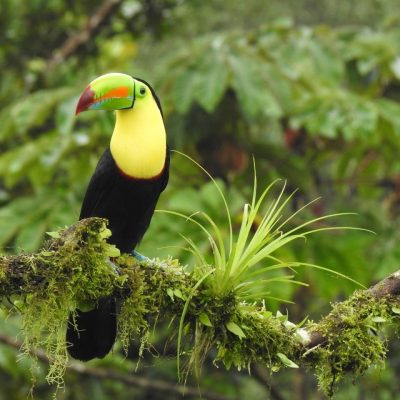
Birdwatching Tour
Costa Rica is known for its great biodiversity, and with more than 900 bird species, it's paradise for bird lovers. On a walk through the foothills of Arenal Volcano in a private reserve, you can observe a great number of birds including toucans, tanagers, warblers, trogons, motmots, and many more colorful species.
View Details & Book