The Arenal Rainforest: A Complete Guide to One of the World's Most Biodiverse Forests
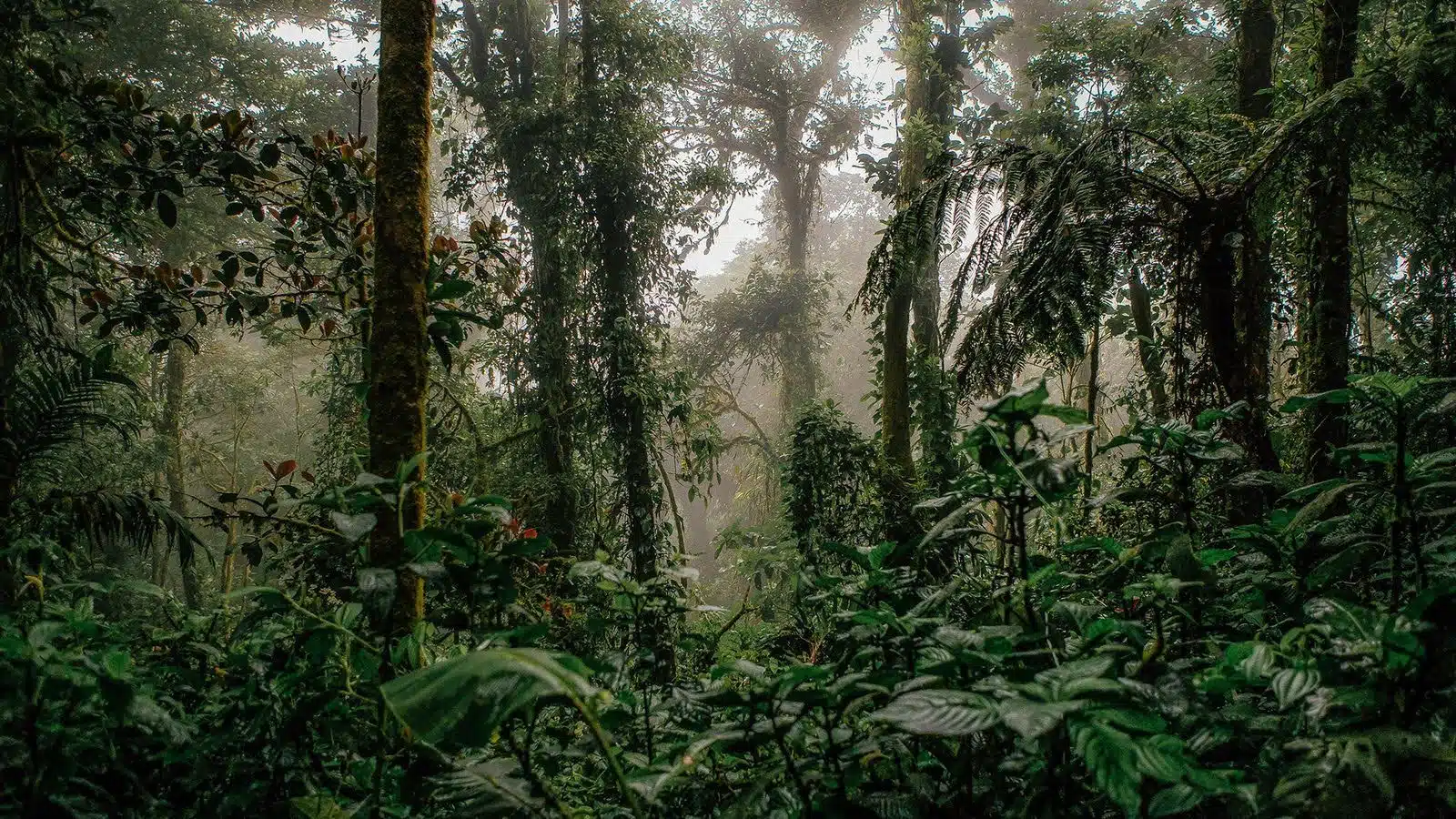
Standing at the base of Arenal Volcano, surrounded by a living wall of green that stretches in every direction, it's easy to understand why Costa Rica has become synonymous with tropical rainforest. The Arenal region, centered around the town of La Fortuna, contains some of the most pristine and biologically rich forests remaining in Central America — a treasure that we have the privilege of sharing with visitors every day.
The Arenal rainforest is classified as tropical wet forest, receiving between 3,000 and 5,000 millimeters of rainfall annually. This constant moisture, combined with warm temperatures and volcanic soils rich in minerals, creates the perfect conditions for an explosion of life that must be seen to be believed.
The Layers of the Rainforest
One of the most fascinating aspects of the tropical rainforest is its vertical structure. Unlike temperate forests, the rainforest is organized into distinct layers, each with its own community of species.
The emergent layer, reaching heights of 50 to 60 meters, is where the tallest trees break through the canopy to reach full sunlight. These giants include species like the ceiba (Ceiba pentandra), considered sacred by the ancient Maya, and the massive almendro (Dipteryx panamensis), whose fruits feed endangered great green macaws.
Below sits the canopy, a dense, continuous ceiling of leaves at about 25 to 35 meters. This is where most of the forest's biodiversity is concentrated — a world of epiphytes, bromeliads, orchids, monkeys, and birds that many people never see from the ground. Our Hanging Bridges tour gives visitors a rare opportunity to walk through this layer at canopy level.
The understory, filtered in dim green light, is home to shade-tolerant palms, heliconias with their striking red and yellow bracts, and a wealth of amphibians and reptiles. Finally, the forest floor — covered in decomposing leaves — teems with fungi, insects, and the seedlings of future giants waiting for their moment of light.
Wildlife of the Arenal Forest
The biodiversity numbers for the Arenal region are staggering. Within the forests surrounding La Fortuna, scientists have documented over 500 species of birds, more than 100 species of mammals, approximately 135 species of reptiles and amphibians, and countless thousands of insect species.
Some of the most iconic wildlife encounters in the Arenal forest include three species of monkeys — howler, white-faced capuchin, and spider monkey. The forest is also home to both species of Costa Rican sloths, three species of toucans, dozens of hummingbird species, and elusive cats like the ocelot, jaguarundi, and the arboreal margay.
The rivers and streams that flow through the forest harbor their own communities, from spectacled caimans to dozens of fish species and the fascinating Jesus Christ lizard (Basiliscus plumifrons), which can literally run across the surface of water.
The Volcano's Influence
Arenal Volcano has profoundly shaped the surrounding forest. The catastrophic eruption of 1968 destroyed everything on the western flank, creating a blank canvas that nature has been slowly reclaiming for nearly six decades. Walking through the 1968 lava flow during our Volcano Hike, you can witness the process of ecological succession in action — from pioneer lichens on bare rock to young secondary forest, all within a few hundred meters.
The volcano's geothermal activity also creates unique microhabitats. Hot springs scattered throughout the region support thermophilic bacteria and create warm-water oases where tapirs, peccaries, and other mammals come to bathe. The mineral-rich volcanic soil supports faster plant growth than non-volcanic regions, contributing to the forest's extraordinary productivity.
Seasons and the Best Time to Visit
While La Fortuna experiences rain throughout the year, there are distinct patterns worth understanding. The "dry season" (December to April) offers more sunny mornings and easier trail conditions. However, the "green season" (May to November) brings the forest to its most vibrant state — rivers swell, waterfalls reach their full glory, and many animal species are more active.
For birdwatchers, the early months of the green season (May to July) coincide with breeding activity, when birds are most vocal and visible. For amphibian enthusiasts, the rainy months (September to November) are unbeatable, as frog activity peaks with the heaviest rainfall.
Why the Arenal Rainforest Matters
Beyond its beauty, the Arenal rainforest provides essential ecosystem services. It acts as a massive carbon sink, helping regulate global climate. It filters and produces clean water for the region. It prevents erosion on the volcanic slopes. And it supports the livelihoods of thousands of people through sustainable tourism.
At Rain Forest Experiences CR, we see ourselves as stewards of this incredible ecosystem. Every tour we lead is an opportunity not just to show the forest, but to create understanding and connection. When visitors experience the rainforest with a knowledgeable guide who can reveal its hidden wonders, they leave not just with memories, but with a deeper appreciation for why these forests must be protected.
The Arenal rainforest is waiting. Come discover why this small corner of Costa Rica has become one of the most celebrated natural destinations on Earth.
Ready to Experience It Yourself?
Join our expert naturalist guides and discover the incredible wildlife of Arenal up close. Small groups, professional equipment, and unforgettable memories.
See Our Tours BelowRelated Tours
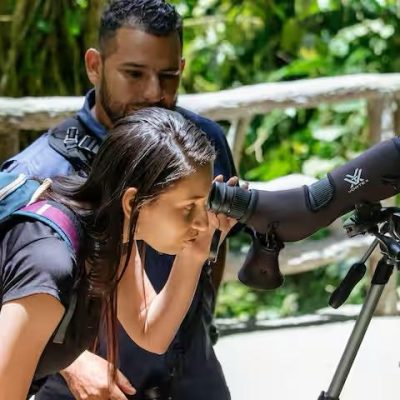
Arenal Hanging Bridges
With more than 250 hectares of forest, the hanging bridges reserve is the perfect place to learn from a naturalist guide about the natural history of this ecosystem. Walk at canopy level across 6 hanging bridges and observe animals such as monkeys, birds, snakes, and much more.
View Details & Book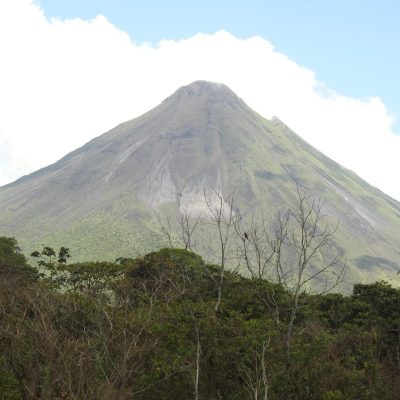
Arenal Volcano Hike
Arenal Volcano is the youngest volcano in Costa Rica. Through a 2-hour hike on the 1968 lava flow, you'll learn about the eruptive history of this important Costa Rican massif, while enjoying magnificent views of the perfectly conical volcano, Lake Arenal, and surrounding areas.
View Details & Book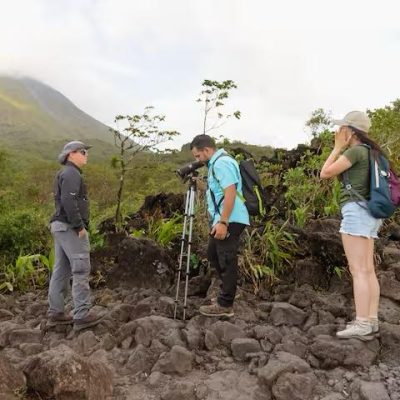
The Best of Arenal — Full Day Combo
In this guided excursion you can discover the 3 main attractions of the Fortuna area: the 1968 Lava Flow hike, La Fortuna Waterfall, and the Hanging Bridges — all in one unforgettable day with a traditional Costa Rican lunch included.
View Details & Book