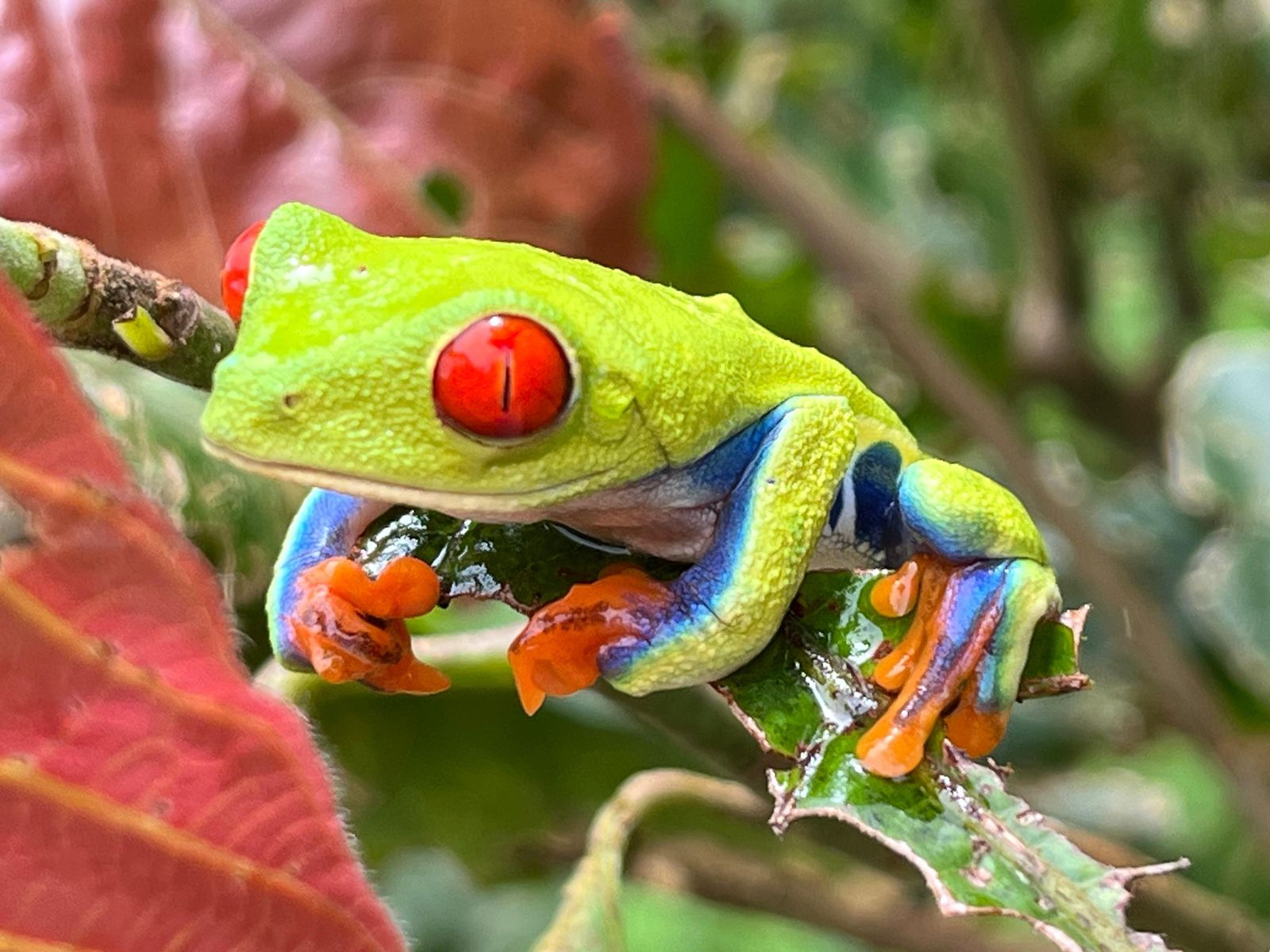
The Arenal region in Costa Rica is one of the most biodiverse places on the planet. Surrounded by lush rainforests, winding rivers, and the imposing Arenal Volcano, this area is home to an extraordinary variety of wildlife — from colorful toucans and playful monkeys to the iconic sloths that have become symbols of Costa Rican nature. But seeing these animals in the wild takes more than just showing up. It requires patience, knowledge, and a bit of strategy.
Whether you're a seasoned wildlife enthusiast or a first-time visitor to the tropics, these five secrets will dramatically increase your chances of unforgettable animal encounters during your visit to the Arenal area.
1. Wake Up Early — The Forest Rewards the Early Riser
The golden hours of wildlife observation in the tropics are the first two hours after sunrise. Between 5:30 and 7:30 AM, the forest comes alive with activity. Howler monkeys begin their thunderous morning calls that echo across the canopy, toucans fly between fruiting trees in search of breakfast, and sloths — who are surprisingly more active in the cool morning air — can be spotted slowly moving through the treetops.
Birds are especially active at dawn. Species like the keel-billed toucan, the Montezuma oropendola, and various tanagers are much easier to spot and photograph in the soft morning light. The cooler temperatures also mean that reptiles like basilisk lizards bask in the first sunbeams, making them easier to approach.
Pro tip: If you're staying near the Arenal Volcano area, take an early morning walk along the trails before the tourist crowds arrive. The silence of dawn combined with the awakening forest creates a magical experience you won't forget.
2. Look Up — Life Thrives in the Canopy
One of the most common mistakes first-time rainforest visitors make is keeping their eyes at ground level. While the forest floor has its treasures — leaf-cutter ant highways, colorful poison dart frogs, and coiled snakes — the real action in a tropical rainforest happens above your head.
The canopy layer, often 25 to 40 meters above the ground, is where the majority of rainforest life exists. Monkeys travel through interconnected branches, sloths hang motionless from cecropia trees, and toucans perch on high branches scanning for fruit. In the Arenal area, three species of monkeys are commonly spotted: the howler monkey, the white-faced capuchin, and the spider monkey.
Hanging bridges tours are an excellent way to access the canopy level and observe wildlife from a completely different perspective. Walking at treetop height, you'll be eye-to-eye with animals that would otherwise be tiny silhouettes far above you.
Pro tip: Bring binoculars and scan the canopy slowly and systematically. Look for movement, unusual shapes among the branches, or listen for the rustling of leaves — these are often signs of monkeys or birds moving through the trees.
3. Listen and Learn the Sounds — Your Ears Are Your Best Tool
Before you see most animals, you'll hear them. The tropical rainforest is a symphony of sounds, and learning to identify even a few of them will transform your wildlife experience. The deep, guttural roar of howler monkeys can carry for over a kilometer through the forest. The melodic song of the clay-colored thrush — Costa Rica's national bird — fills the forest at dawn. The sharp, repetitive call of a toucan reveals its location high in the canopy.
At night, the soundscape changes completely. The chorus of tree frogs, led by the famous red-eyed tree frog, creates an almost hypnotic backdrop. Owls call from the darkness, and the rustling of leaf litter might betray a nocturnal mammal like a kinkajou or an armadillo moving through the underbrush.
Learning to distinguish these sounds doesn't require years of study. Even recognizing three or four key calls — howler monkeys, toucans, oropendolas, and tree frogs — will give you a significant advantage in spotting wildlife. Many naturalist guides in the Arenal area are experts at identifying species by sound alone, often locating animals that visitors would completely miss.
Pro tip: Download a bird call app before your trip and familiarize yourself with the most common species in the Arenal region. When you hear a call in the forest, you'll already know what to look for.
4. Be Patient and Silent — Let the Forest Come to You
The single most important secret to seeing wildlife is also the simplest: slow down. In our fast-paced world, we tend to rush through trails, talking, checking phones, and moving quickly from one viewpoint to the next. But the forest rewards stillness.
When you stop moving and stand quietly for even five minutes, the forest begins to reveal itself. Birds that flew away at your approach return to nearby branches. A sloth that seemed like a clump of leaves begins to slowly stretch. An agouti emerges cautiously from the undergrowth to feed on fallen fruit. The animals are always there — they're just waiting for you to stop being a threat.
Moving slowly and quietly also prevents you from accidentally frightening animals away before you even see them. Many wildlife encounters happen within the first few meters of a trail, but noisy hikers send animals fleeing long before they come into view.
Pro tip: Find a comfortable spot near a fruiting tree or a stream, sit quietly, and wait. Within 15 to 20 minutes, you may be amazed at the parade of creatures that appears — from hummingbirds to coatis, from butterflies to basilisk lizards running across the water.
5. Bring the Right Gear — See More, Disturb Less
The right equipment can make the difference between a good wildlife experience and an extraordinary one. Here's what experienced wildlife watchers bring to the rainforest:
Binoculars are absolutely essential. A good pair of 8x42 or 10x42 binoculars will bring distant canopy animals into sharp focus, let you see the incredible detail of a toucan's plumage, and help you identify birds that would otherwise be just dark shapes against the sky. Without binoculars, you're missing at least 70% of the wildlife around you.
A camera with zoom allows you to capture memories without approaching animals too closely. A lens of at least 200mm (or a good smartphone with optical zoom) lets you photograph sloths, monkeys, and birds without disturbing their natural behavior. Remember: the best wildlife photos are taken from a respectful distance.
Appropriate clothing matters more than you might think. Wear neutral colors — greens, browns, and dark blues blend with the forest and make you less conspicuous. Avoid bright whites, reds, and yellows that can startle animals. Light, long-sleeved shirts protect against insects while keeping you cool.
A rain jacket is non-negotiable in the Arenal area. Rain can come quickly, and being caught unprepared means cutting your wildlife walk short. Waterproof your gear as well — a simple dry bag for your camera and phone can save the day.
Pro tip: Red flashlights or headlamps with a red filter are ideal for night wildlife walks. Red light doesn't disturb most nocturnal animals, allowing you to observe frogs, insects, and night birds without altering their behavior.
The Expert Advantage: Guided Tours with Local Naturalists
While these five secrets will undoubtedly improve your wildlife sightings, nothing compares to exploring the forest with someone who has spent years learning its rhythms. Local naturalist guides know the specific trees where sloths sleep, the branches where toucans nest, the ponds where red-eyed tree frogs gather, and the trails where coatis and agoutis forage.
At Rainforest Experiences CR, our guides combine over 13 years of field experience with professional optical equipment — high-powered spotting scopes and binoculars that reveal details invisible to the naked eye. Our small group tours ensure a quiet, personalized experience where every guest gets the best possible views of each animal we encounter.
From morning sloth walks to evening birdwatching excursions and thrilling night walks, our tours are designed to showcase the best of Arenal's incredible biodiversity. We don't just find animals — we help you understand their behavior, their role in the ecosystem, and why protecting this forest matters for generations to come.
Ready to Experience It Yourself?
Join our expert naturalist guides and discover the incredible wildlife of Arenal up close. Small groups, professional equipment, and unforgettable memories.
See Our Tours BelowRelated Tours
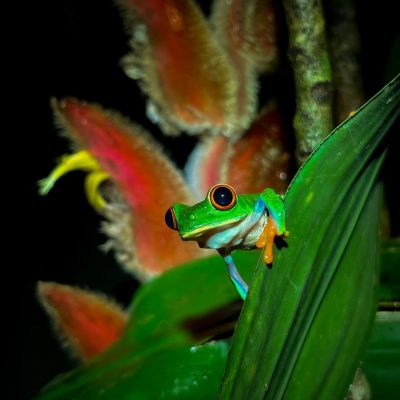
Night Rainforest Walk
Discover the magnificent nocturnal world of the rainforest. Through a gentle 1.5-hour walk, observe wildlife such as frogs, including the famous red-eyed tree frog, nocturnal and diurnal birds, insects that camouflage with the environment in impressive ways, and much more — an experience to live.
View Details & Book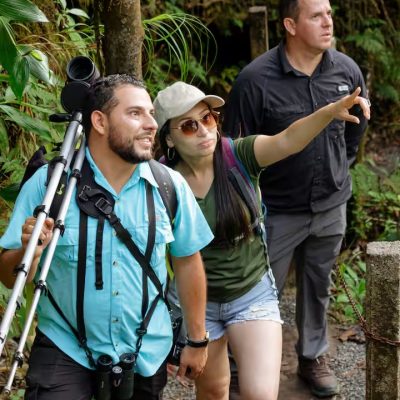
Sloth & Wildlife Tour
Through a guided safari in the rainforest, you can enjoy these beautiful and interesting mammals in their natural habitat, as well as observe other animals such as monkeys, toucans, frogs, and more.
View Details & Book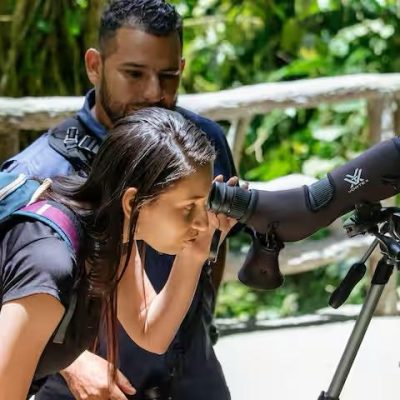
Arenal Hanging Bridges
With more than 250 hectares of forest, the hanging bridges reserve is the perfect place to learn from a naturalist guide about the natural history of this ecosystem. Walk at canopy level across 6 hanging bridges and observe animals such as monkeys, birds, snakes, and much more.
View Details & Book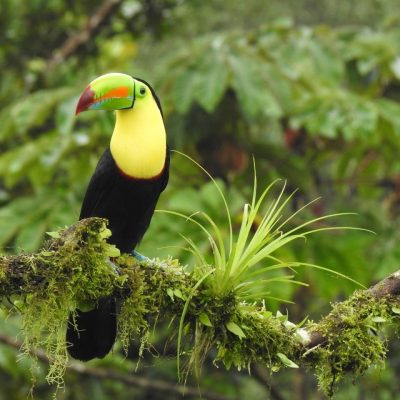
Birdwatching Tour
Costa Rica is known for its great biodiversity, and with more than 900 bird species, it's paradise for bird lovers. On a walk through the foothills of Arenal Volcano in a private reserve, you can observe a great number of birds including toucans, tanagers, warblers, trogons, motmots, and many more colorful species.
View Details & Book